On Bullying

The moment is burned into my memory. It was night, and I was sitting in my parent’s van. I could easily hear the thumping of the band through the gym walls as they were cheering on my sister and her volleyball team at the community college she was attending. My parents were inside, cheering her on. I was outside in the dark of a cold winter evening—confused, shaken, anxious, hopeless, full of anger, despairing.

The worst thing that my 7th grade mind could think of had just happened.

971

Twenty minutes before, I had been playing outside the gym when two college guys approached me. I thought that they were just walking by to go inside, so I was surprised when they stopped in front of me. They were talking to me. But, why? I didn’t know anyone who was in college beside my sister. It took only a moment for the confusion to disappear, as one of them had spouted off, “Hey, aren’t you that fag from [____] town?”

Continue reading

“Washed and Still Waiting”

Yesterday I was honored to give a lecture at a plenary session for the annual Evangelical Theological Society meeting, held this year in Atlanta. The title of my talk was “Washed and Still Waiting,” riffing on my 2010 book title Washed and Waiting, in which I’d tried to describe my celibate gay Christian life as life of tension between the “already” and the “not yet”—I’m already washed, forgiven, and justified in Christ (1 Corinthians 6:9-11), and I’m waiting eagerly for the resurrection of the body (Romans 8:23).

A few years after the book came out, the journalist Jeff Chu—who, I’m happy to say, has since then become a friend of mine—wrote a book called Does Jesus Really Love Me?: A Gay Christian’s Pilgrimage in Search of God in America. Towards the middle of his survey of American Christian gay life, Jeff reflects on my Washed and Waiting:

When I finished Hill’s slim volume, I realized… that I would rather have read Washed and Still Waiting, the book that he might be ready to write three decades from now. It’s one thing for someone in his twenties to declare publicly his choice of celibacy—admittedly, a difficult, unorthodox, and bold thing. It’s entirely another to stand by that decision thirty years on. What are the effects of this kind of long-term chastity? What would life look like for the homosexual who, in his relative youth, chose this?

Taking my cues from Jeff’s questions, I decided I would use my ETS plenary lecture to reflect on how it might be possible for people like me to persevere in chastity over the long haul. Although I still can’t offer three decades’ hindsight, I do have some ideas about where to find hope.

In the lecture I explored three areas of pastoral theology that seem to me especially relevant for celibate Christian believers who are gay or lesbian. First—and I decided to take the tried-and-trusted Baptist preacher route of have three points with alliteration!—I discussed our need to rediscover the dignity of the celibate vocation in specifically evangelical Protestant settings. Second, I discussed our need for discipline in stewarding our sexuality. And third, I talked about how we need a theology of celibacy’s direction or destination.

Continue reading

A Friendship Poem

We’ve been known to post a poem or two in honor of friendship on this blog. Here’s one more for your weekend. This one becomes more poignant when you know it was written by a much-beloved friend who, even as he celebrated his friends in this way, was dying of cancer.

Brett Foster, “For My Friends”

Mark 2

The frequency of your kindnesses
to me is deserving of acknowledgment.
Will it provide you with some thin glimpse,
at least, to say that I have felt at my best,
because of you, in these worst of mortal days?
To have lived this one life so multiply
surrounded by friends of an uncommon sort—
immeasurable comfort, source of my pride.
You cared for me in ways that made me
feel like the paralytic who gets carried
over to that gathering at Capernaum, maybe
at the healer’s own place. The front door
is unapproachable because of the crowds.
And like so—: all summer you have hauled
me around on my stretcher, and when
the entrance was barred to us, you climbed
atop the roof and began sawing through it.
(Even hoisting me up there— keeping me
steady and leveled as we ascended
the ladder, what an effort it demanded!)
I usually picture, in my doubtless presumptuous
modern way, that the roof was thatch,
and even so, it would be no easy task
to open up that skylight on my behalf.
Just so you have lowered me into that room
where a message is being heard, something
about all things being restored, made new,
and there I am, well-meaning interrupter,
empowered by his well-meaning crew.
And I can still feel your presence above me,
the weight of me and your sustaining it,
the rope digging into and burning your palms.
Down here, I am unwavering in expectation
for some remark about forgiveness,
though I really don’t know what it will mean
to be told, “Get up, pick up your stretcher,
and make your way home.” I question
the home that is spoken of, and the nature
of that invited rising. In any case, I feel sure
I would do so quickly, both thrilled with sudden
motion but also, truth be told, glad
to be done with all of this fuss. I like to imagine,
too, you guys still on that roof, how easily
you’ll lift the empty stretcher out of the house,
your smiles and handshakes as you descend
from the roof, mission done, and then stash
the ladder somewhere, and race to meet me
in one of our places— a dark back corner
at Bavarian Lodge or Muldoon’s, or perhaps
the side porch, August evening at Two Brothers.
You will not forget the stretcher, exactly,
and neither will I. I don’t envision feeling confident
enough to throw it away for good, but how glad
and relieved I will be, after our pints (my treat),
to store it away in a closet, not thinking
about it, not at all, till I have need of it again.


Dinner Invitations, Yes, but also Sharing Houses

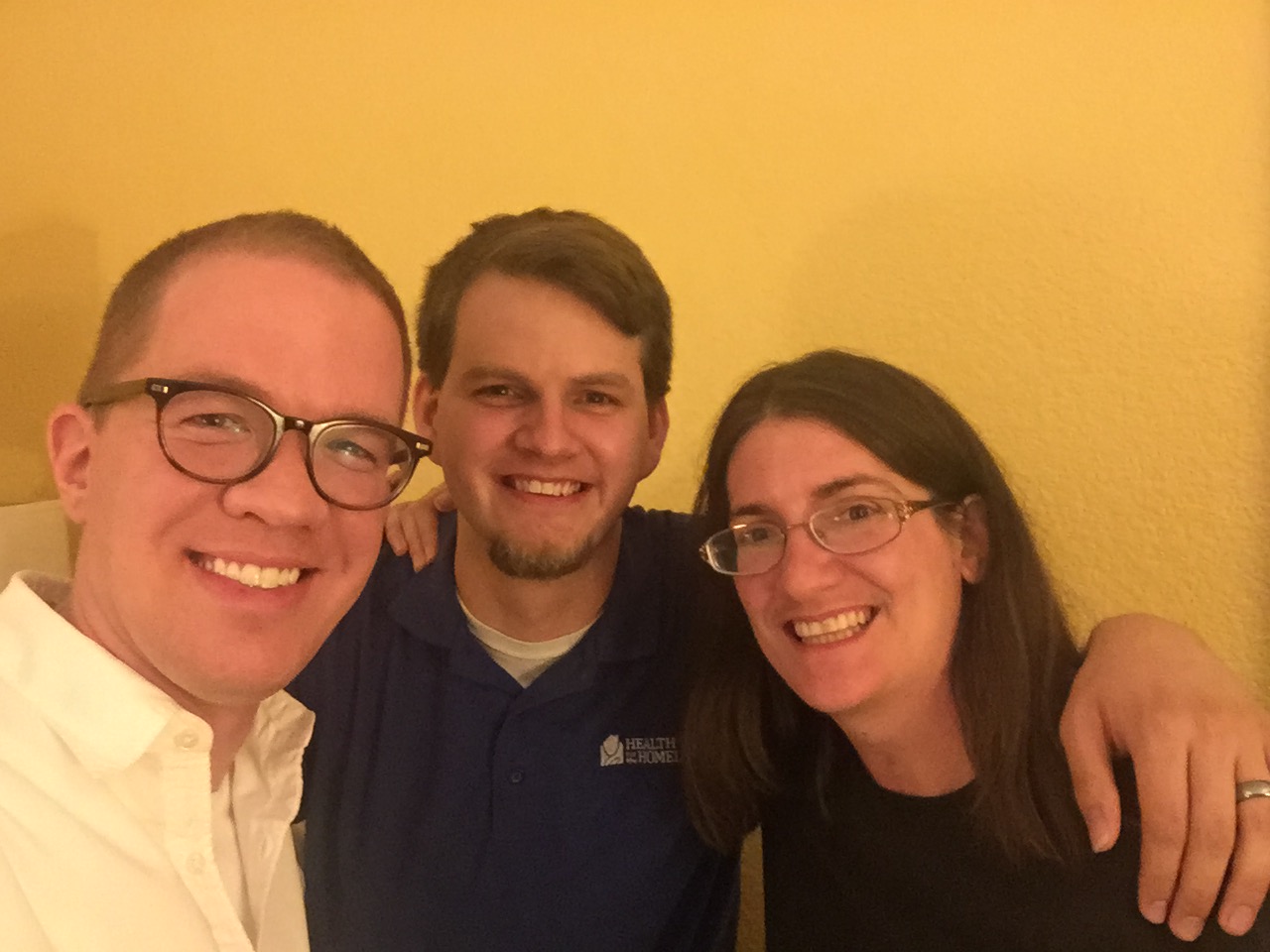
Matthew and me with our favorite figure-skating-obsessed, novel-writing gay Catholic friend Eve Tushnet

Matthew and me with our favorite figure-skating-obsessed, novel-writing gay Catholic friend Eve Tushnet

I recently had the pleasure of visiting my friend Matthew Loftus in the Sandtown-Winchester neighborhood of inner city Baltimore, where he has lived with his family and worked as a physician for the past few years. Matthew has been a longtime friend of this blog—he was one of our early regulars in the combox, and he recently published his first guest post with us. But it struck me, visiting him, that one of the best gifts Matthew brings to us at SF is the witness of his life and the question mark it puts over all of our talk here about “community” and “hospitality.”

Matthew and his wife Maggie and their children are “relocators”: they moved from the suburbs of Baltimore to Sandtown in order to be part of a remarkable multiethnic church there and live among the urban poor. And when I stayed with them, they shared their small(ish) home with a single woman, a friend who, in the time she had been with them, had become like an aunt to their children. This kind of “thick” practice of community—where it isn’t just a dinner table that’s opened up but an entire home, and where mobility is off the table (at least until God calls you elsewhere)—is something we’ve paid comparatively little attention to here on this blog. We need to change that.

Continue reading

On the Death of a Friend

IMG_1077

One of the curious things about friendship is that it is often “death-haunted.” “It is as if,” writes Andrew Sullivan, “death and friendship enjoy a particularly close relationship, as if it is only when pressed to the extremes of experience that this least extreme of relationships finds its voice, or when we are forced to consider what really matters, that we begin to consider what friendship is.” So, many of the great literary depictions of friendship—Augustine’s, Montaigne’s, Tennyson’s—don’t depict so much the daily course of friendship but rather its dramatic loss. It is death that moves the poet or the preacher to take up the theme of friendship and try to pay tribute to that most un-dramatic of all loves.

Alan Jacobs, in a beautiful essay, has speculated that this nexus between death and the verbal portrayals of friendship may owe something to the “homely, comforting” nature of friendship. Friendship usually isn’t about “a story to tell, a sequence of events to dramatize, an intensity of experience to lyricize.” Furthermore, friendship isn’t about undertaking some quest to achieve some goal. Unlike, for instance, the love of parents for children, which is very much oriented toward the telos of “training up a child in the way he should go” (Proverbs 22:6), the love of friendship is its own end. And because of that non-flashy, goal-less quality of friendship, it sometimes takes the dramatic rupture of death for us to see the friendship as a whole, and for us to be able, then, to give voice to our gratitude for it. As Jacobs puts it,

Having so specific goal in mind, having nothing to strive towards, friendships possess no intrinsic narrative quality. This is not to say that we should not strive to be better friends, that is, to practice more assiduously the virtues that strengthen friendship, but we cannot do so for reasons intrinsic to the friendship. It is in the nature of friendship, I think, that the demands a friendship makes upon us wax and wane: we go through seasons of relative closeness, seasons of relative separation, without re-evaluating the basic character of the friendship. (I have dear, dear friends whom I can see only rarely, but they are no less dear because of this, and would be no more dear if we could meet regularly.) This stability of affection coupled with great variation in occasions for intimacy is almost impossible to represent in narrative terms, or indeed in other literary terms.

Whether it’s for these sorts of reasons or for others, I’m not sure, but I have been struck this week in the wake of my dear friend Brett Foster’s death on Monday night by how Brett’s death has prompted an outpouring of appreciation for his friendship, specifically.

Continue reading

What I Wish I Had Heard

Lonely Leaf

It was a chilly, fall afternoon in late October or early November, I can’t remember. There was a bite in the air, a warning sign of the coming brutal winter. I remember sitting in my car, shaking and nervous. I almost couldn’t breathe I was so scared. I was getting ready to have lunch with a man I had met only a few weeks before. He was the pastor at a church I had started attending, after I had just moved thousands of miles to a new city and new community. I didn’t know anyone yet, really, other than my own family.

I had started attending his church, and enjoyed his sermons. He had seemed quite approachable and caring— a good listener. So, after a couple of weeks, I decided to ask him to grab a bite to eat and ask if we could talk. I had a thousand things I was wrestling with at the time, things that I needed to get off of my chest. He kindly agreed to meet with me and to get to know me a little better.

We went in and ordered and nervously sat down in a booth in a corner. So here we were at this sub shop, two strangers carrying on small talk as I walked in circles around the subject, the main reason why I had asked him to lunch in the first place.

Continue reading

Why Should A Straight Person Care About Spiritual Friendship?

Editor’s Note: Matthew Loftus, a family physician, will soon leave his current life in Sandtown, Baltimore to move with his wife and children to South Sudan, where he will serve at His House of Hope Hospital. A writer for multiple publications such as MereOrthodoxy.com, ChristandPopCulture.com, First Things, and The American Conservative, he is also a regular columnist for Christianity Today. Matthew is a personal friend to some of us who write here at SF, and it’s an honor to have his first “guest post” with us today. — Wesley Hill

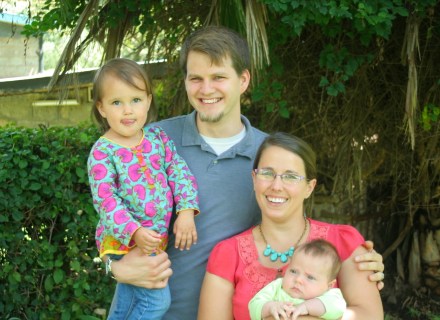
The author with his family, some of whom have disordered inclinations towards the natural use of their tongues.

The author with his family, some of whom have disordered inclinations towards the unnatural use of their tongues.

Unlike many other people who write or post on social media about the Church and LGBT relations, I don’t have a lot of gay friends. I have a handful of close friends who are either out publicly or who have confided about their sexuality to me, but I haven’t had to walk through the same difficult journeys that many others have experienced as they tried to support and care for loved ones who wrestled with their faith and sexuality. Even the intense conversations I’ve had with my gay and lesbian friends who introduced me to Wesley Hill’s Washed & Waiting and the rest of the Spiritual Friendship crew have not exactly been epochal for any of us involved.

When Wesley found out about this, he asked me to write about why I was still so interested in Spiritual Friendship. It had never struck me that a big emotional investment was necessary to be sharing and commenting on SF posts, but the question was a great opportunity for me to reflect: why should straight people care about Spiritual Friendship and the questions taken up here?

Continue reading

The Gift of Singleness

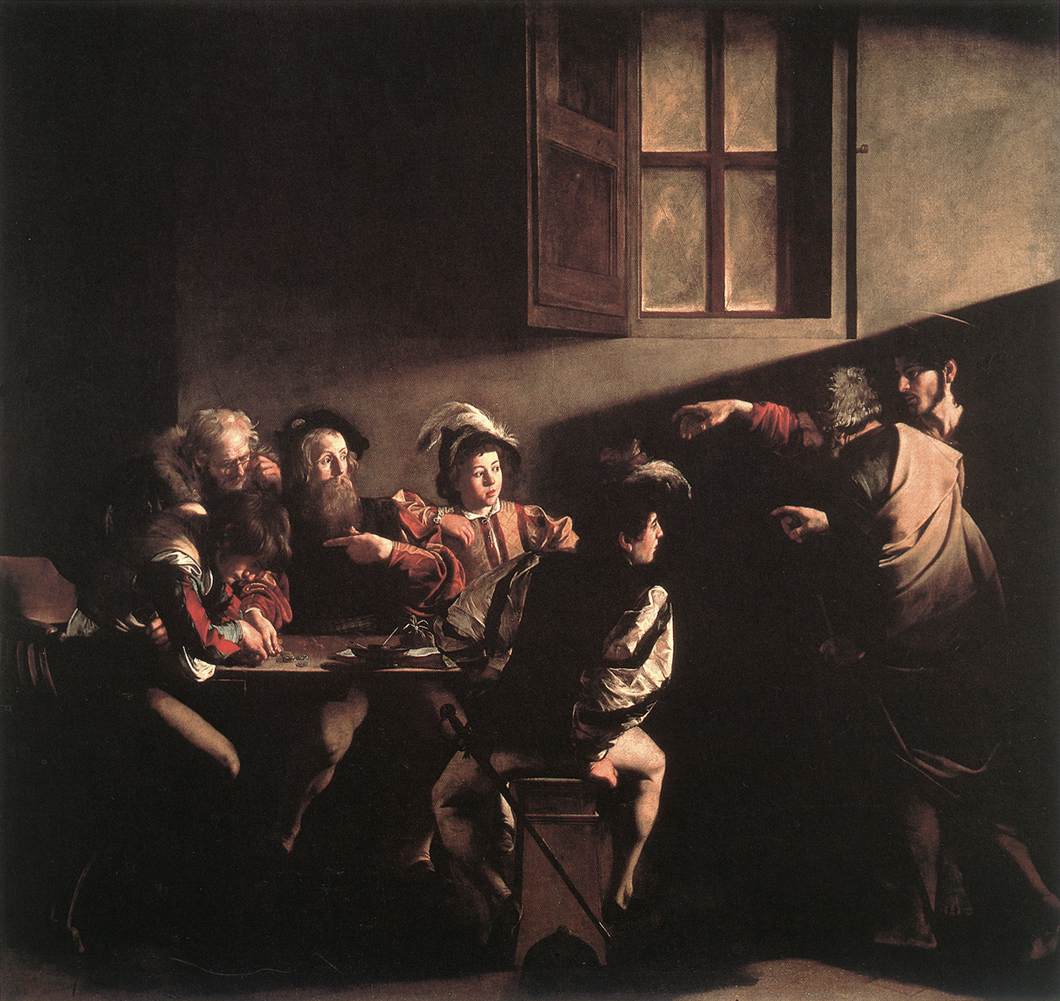
Caravaggio - The Calling of St. Matthew

Caravaggio: The Calling of St. Matthew

I recently preached a sermon on “The Gift of Singleness,” based on Matthew 19:10-12. The main point of that text—and therefore the sermon—was that for those called to it, singleness should be received as a gift from God. I organized the sermon into three points to help unpack and support that thesis:

  1. “The Gift is Given (vv. 10-11)”
  2. “Circumstances are Seen (vs. 12)”
  3. “Singleness is Savored (vs. 12)”

So that is where we are going.

Continue reading

The Synod on the Family and the Pastoral Care of Homosexual Persons

As many of our readers know, the Catholic Church’s Synod on the Family has been meeting in Rome for the last several weeks. The pastoral care of homosexual persons was among the most contentious issues at the Extraordinary Synod on the Family last year, and got a lot of attention in the lead-up to this year’s Synod. There was thus a great deal of anticipation—and even outright anxiety—regarding the final result.

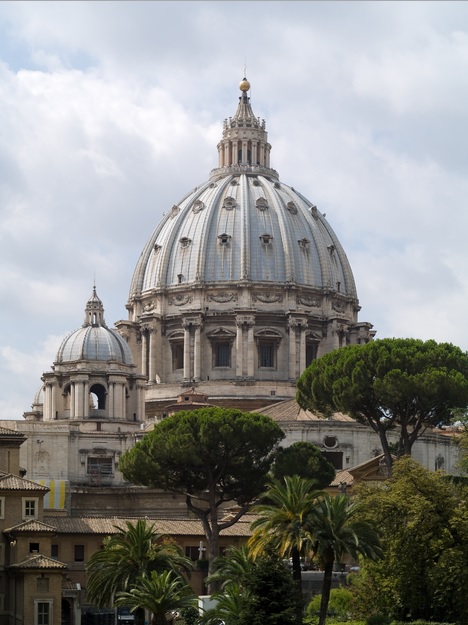
Dome of St. Peter's

The final report has now been released (in Italian).  There was only one paragraph dealing with the pastoral care of homosexual persons. Here is an unofficial English translation of that paragraph (courtesy of Aleteia):

76. The Church conforms her attitude to the Lord Jesus who in a limitless love offered himself for every person without exception (MV, 12). Regarding families who live the experience of having within their family persons with homosexual tendencies, the Church repeats that every person, independently of his sexual tendency, is to be respected in his dignity and welcomed with respect, careful to avoid “every sign of unjust discrimination” (Congregation for the Doctrine of the Faith, Considerations regarding proposals to give legal recognition to unions between homosexual persons, 4). May special attention be reserved also for the accompaniment of families in which persons with homosexual tendencies live. Regarding proposals to equate unions between homosexual persons with marriage, “there are absolutely no grounds for considering homosexual unions to be in any way similar or even remotely analogous to God’s plan for marriage and family. Marriage is holy, while homosexual acts go against the natural moral law. Homosexual acts “close the sexual act to the gift of life. They do not proceed from a genuine affective and sexual complementarity. Under no circumstances can they be approved” (ibid.). The synod holds that it is entirely unacceptable that local churches suffer pressure on this matter and that international organizations make financial help to poor countries conditioned on the introduction of laws that institute “marriage” between persons of the same sex.

Over the last couple of days, several people have reached out to me to express frustration with how little the Synod said on the topic of homosexuality. Others were frustrated that the final report focused primarily on the pastoral care of families of homosexual persons, rather than addressing the pastoral needs of homosexual persons themselves. This is an understandable concern, especially in light of the amount of focus on homosexuality in the reaction to last year’s Synod, and in discussions leading up to the Synod this Fall. However, it’s worth emphasizing that this was the Synod on the Family, not a synod on sexuality more generally.

Continue reading

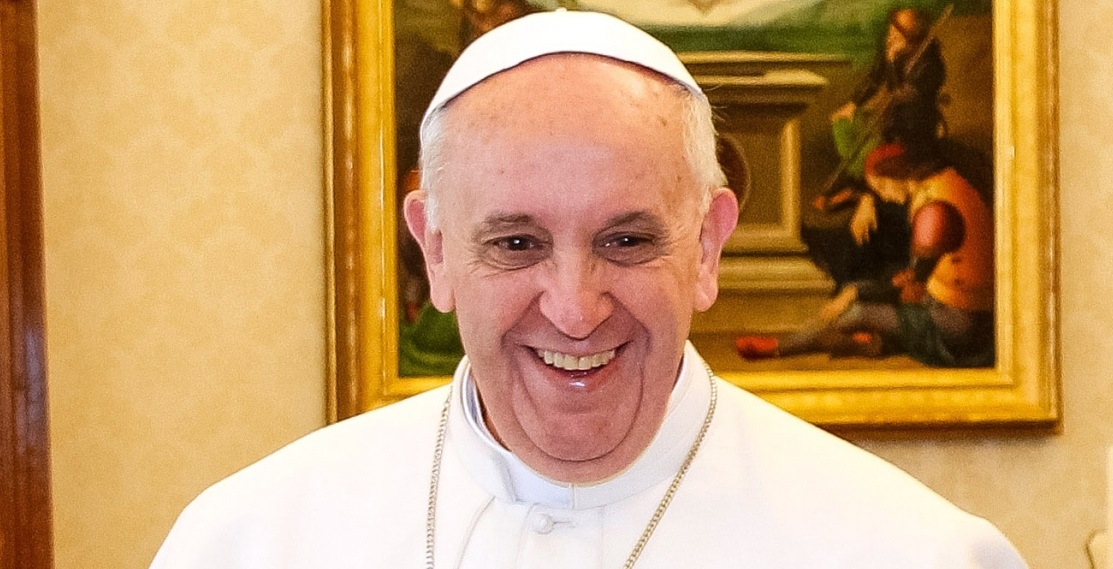
Rowan Willliams: Pope Francis and the Danger of “Package Deal” Ethics

Pope Francis

In the New Statesman, Rowan Williams—the former Archbishop of Canterbury—reviews two new biographies of Pope Francis: Paul Vallely’s Pope Francis: Untying the Knots and Francis: Pope of Good Promise by Jimmy Burns. One of the interesting points in the review concerns the difficulty of classifying Francis according to the usual American political labels:

Conservative or liberal? The Pope’s record might prompt us to ask whether these categories are as obvious or as useful as we assume. As various commentators have astutely noticed, the Pope is a Catholic. That is, he thinks and argues from a foundational set of principles that are not dictated by the shape of political conflict in other areas. It is difficult for some to recognise that his reasons for taking the moral positions he does on abortion or euthanasia are intimately connected with the reasons for his stance on capitalism or climate change.

The Catholic conservative who has unthinkingly rolled up the pro-life agenda with support for the death penalty, the National Rifle Association, US foreign policy and the uncontrolled global market finds this as shocking as the Catholic (or, indeed, non-Catholic) liberal who thinks in terms of a single “progressive” or emancipatory agenda that the Pope is failing to support consistently. But “conservative” and “progressive” imply that we all know there is one road for everyone on which we may move forward or backwards, rapidly or slowly. It doesn’t hurt to be reminded from time to time that this assumption can be an alibi for lazy thinking. The Catholic tradition of ethics and theology sets out a model of what is abidingly good and life-giving for human beings which does not depend on this model of a single road towards a given future. It is about making choices that bring you closer or otherwise to a particular vision of human well-being; and those choices do not necessarily map directly on to other, familiar taxonomies.

This is a point that has relevance well beyond the limits of the Church. We are all easily lured into what might be called “package deal” ethics: if you are committed to one cause you will probably be committed to a particular set of causes, even if there is no clear logical connection. The danger then is of reducing ethics to style, to a set of superficially matching accessories. It is an important jolt for us to have to come to terms with those who look for a deeper kind of consistency – whether they are radical libertarians uniting a pro-choice position with a deeply individualist social morality, or Catholics uniting an orthodox sexual ethic with root-and-branch hostility to market economics or nuclear arms. It was one of the choice ironies of the era of the Second Vatican Council that the stoutest defender of the inherited position on birth control – Cardinal Alfredo Ottaviani – was also one of the fiercest advocates of nuclear disarmament. Having to think through the connections between our moral perspectives so that we can have intelligent arguments about them is a rather urgent need in the current climate, where policy and principle are so often created reactively and opportunistically. (Do I have any political party especially in mind? Perish the thought.)

In other words, it is futile to expect this pope or any other simply to fit the ready-made stereotypes. Pope Benedict “looked” conservative; Pope Francis “looks” liberal. Yet that tells you nothing at all of interest about them. And it obscures a simple fact: Benedict’s theology, though cast in a different and less accessible idiom, is entirely of a piece with all that Francis has said in his major public essays about evangelism and now about ecology. Even the contrast in style between them can be exaggerated a little. Paul Vallely notes that Francis has chosen to sit on the same level as his guests on formal occasions. Benedict did the same at the interfaith event in Assisi some years ago; he was also the first to break the taboo on the Pope eating in public with others.

Read the whole article at the New Statesman.